Recognizing the signs of gambling addiction A guide to understanding your habits
Understanding Gambling Addiction
Gambling addiction, also known as compulsive gambling, is a behavioral disorder characterized by an uncontrollable urge to gamble despite the negative consequences. Recognizing the signs of this addiction is crucial for early intervention and recovery. Individuals may find themselves preoccupied with gambling, often losing track of time and finances as they chase losses or seek the thrill of winning. For those exploring online options, the official website offers insights into how the digital landscape has transformed traditional gambling experiences.
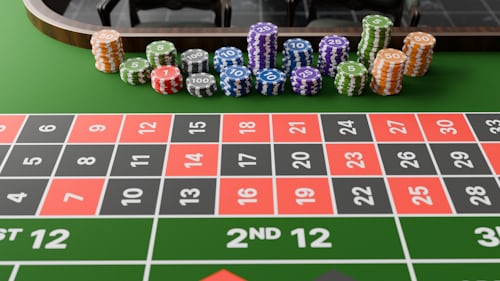
The nature of gambling—whether online or offline—can exacerbate these tendencies. Online gambling offers immediate access and convenience, which may heighten impulsive behaviors. In contrast, traditional gambling venues can create a social atmosphere that reinforces gambling habits. Understanding these dynamics is essential in recognizing when gambling may be becoming problematic.
Identifying Key Signs of Addiction
One of the most prominent signs of gambling addiction is an increasing tolerance, where individuals need to gamble larger amounts of money to achieve the same level of excitement. Additionally, many will start lying about their gambling habits or concealing their activities from friends and family, highlighting a disconnect between their actions and personal values.
Another critical sign includes feelings of restlessness or irritability when not gambling, suggesting that the individual may be using gambling as a coping mechanism. If your gambling leads to financial issues, relationship problems, or legal troubles, it may be time to assess your gambling habits more seriously.
The Impact on Daily Life
Gambling addiction can significantly affect various aspects of life, including personal relationships, work performance, and mental health. Individuals may prioritize gambling over responsibilities, leading to conflicts with loved ones and colleagues. This neglect can result in a cycle of guilt and shame, further driving the need to escape through gambling.
Moreover, many individuals grappling with gambling addiction experience heightened levels of anxiety and depression. This emotional turmoil can complicate recovery efforts and make it difficult for individuals to seek help. Acknowledging these impacts is vital to understanding the broader implications of gambling addiction.
Seeking Help and Support
If you or someone you know is exhibiting signs of gambling addiction, seeking help is imperative. Professional treatment options include therapy, support groups, and counseling programs designed to address the underlying issues associated with gambling behaviors. Engaging with a mental health professional can provide valuable tools for managing addiction and rebuilding a healthier lifestyle.
Support groups, like Gamblers Anonymous, offer community and understanding for those struggling with gambling addiction. Connecting with others who share similar experiences can provide encouragement and motivation to overcome the addiction. Recognizing the need for help is the first step toward recovery.

Your Resource for Responsible Gambling
This website serves as a comprehensive resource for individuals looking to understand gambling addiction better. By providing information on responsible gambling practices, support options, and self-assessment tools, we aim to empower individuals to recognize their habits and make informed decisions. Awareness is the first step in preventing gambling-related issues.
Our platform also highlights the importance of safe gaming environments and responsible gambling practices, ensuring that players have access to the support they need. Whether you are seeking information on the signs of gambling addiction or looking for ways to enjoy gambling responsibly, we are here to help guide you on your journey.
